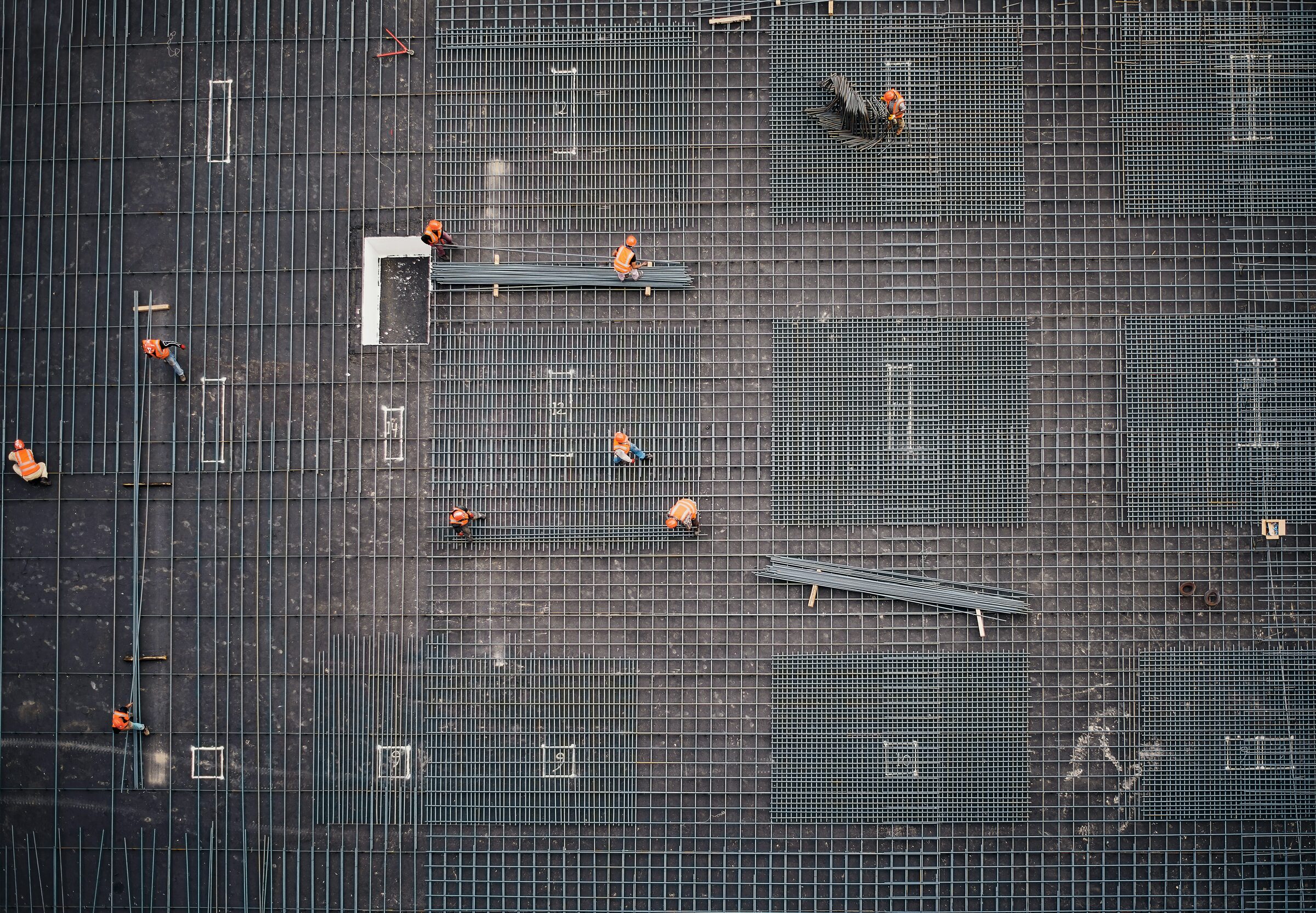
01 — Technical Building
Technical Building
Understand the physical condition, defects, risks and remaining life of the asset.
- Technical Due Diligence
- Building Condition Surveys
- Building Pathology
- CAPEX & Lifecycle Analysis
Huskshell · Muscat, Oman
We assess building condition, performance, lifecycle and investment implications to help owners, investors and institutions make informed real-asset decisions.
Independent specialist practice
Huskshell brings together technical building assessment, performance analysis and real-estate intelligence — connecting what is happening physically within an asset with its operational and financial consequences.
01 / Capabilities
From physical condition to investment decision.
01 — Technical Building
Understand the physical condition, defects, risks and remaining life of the asset.

02 — Building Performance
Measure how buildings actually perform and identify practical pathways for improvement.
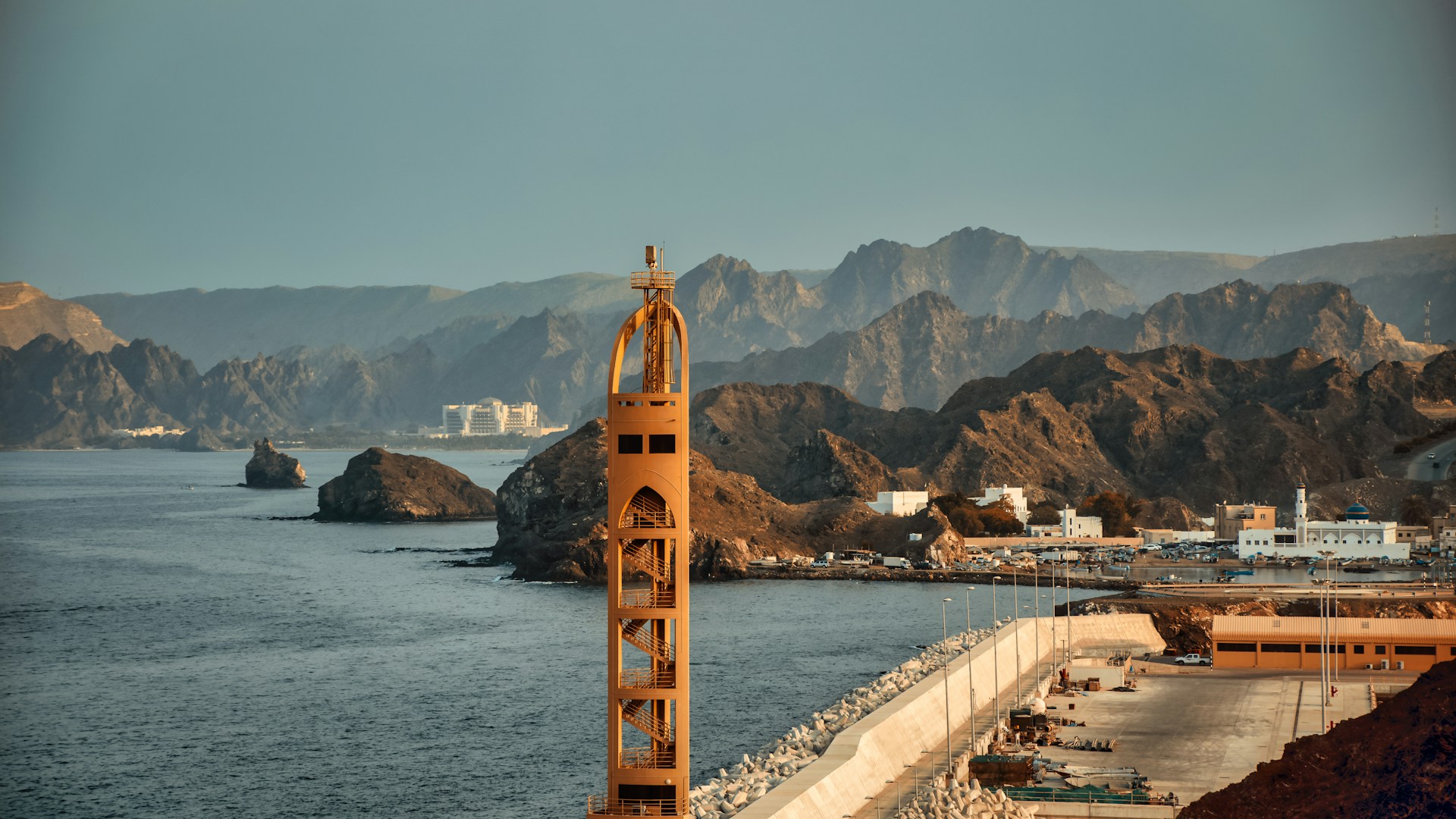
03 — Real Estate & Investment
Connect technical evidence with development, investment and asset decisions.
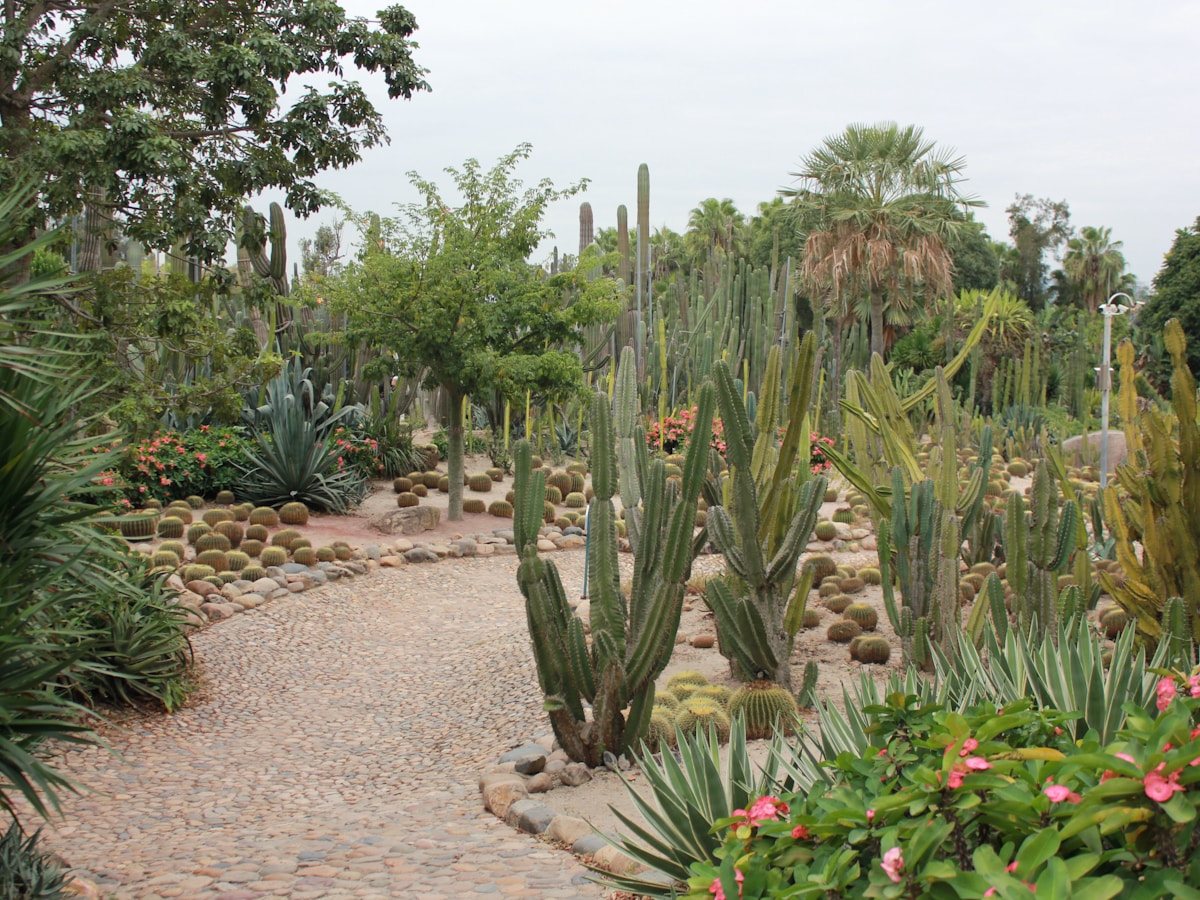
04 — Social Responsibility
Better buildings should serve people, conserve resources and remain useful for longer.
View capability →Technical chapter / 01–03
Condition, performance and lifecycle are connected. We translate physical evidence into intervention priorities, capital requirements and investment implications.
02 / Approach
A direct process that moves from observation to decision.
Inspect the asset and gather physical and operational evidence.
Identify causes, dependencies and technical risk.
Assess performance, remaining life, CAPEX and financial implications.
Translate the evidence into a clear decision framework.
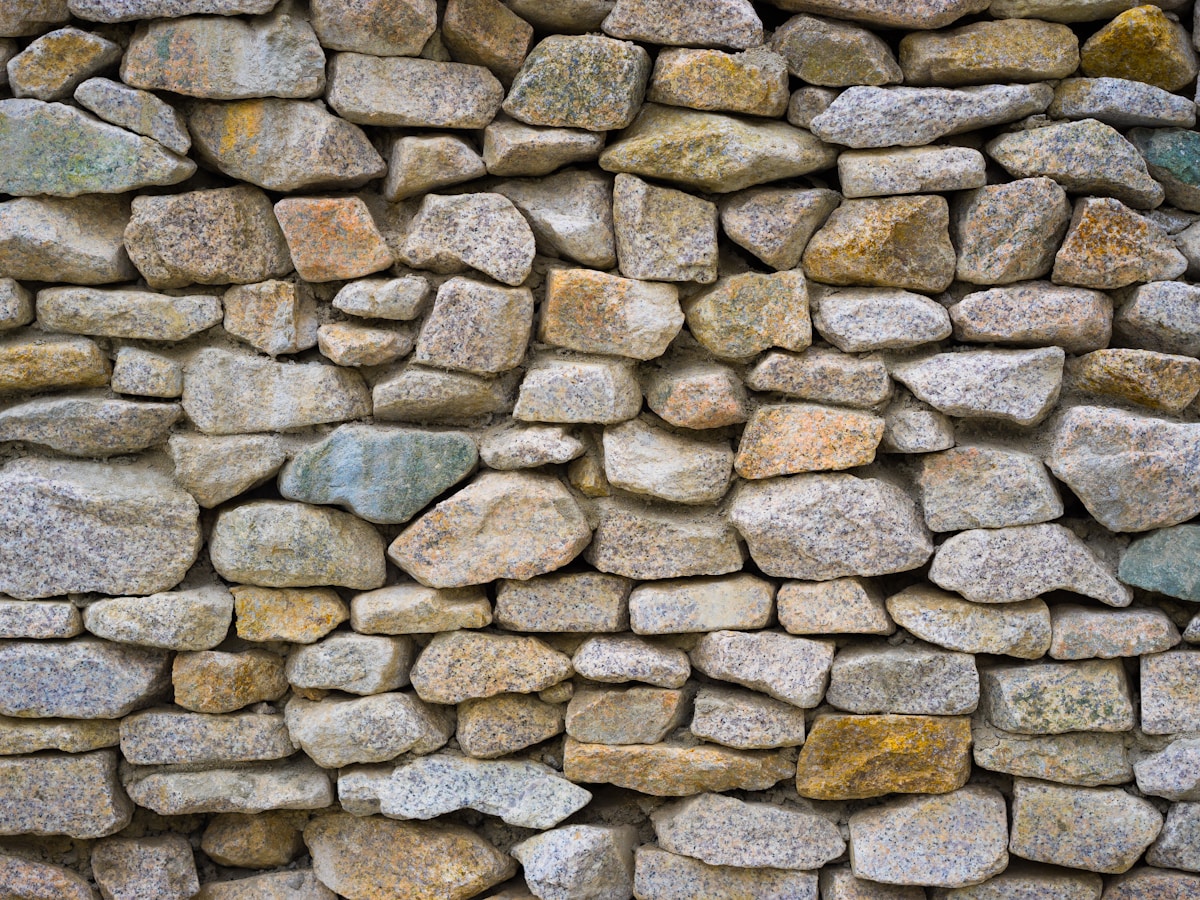
Field note / Building envelope
Muscat
23.5880° N / 58.3829° E
The surface is where the building starts to speak.
Staining, cracking and temperature variation are evidence. Read together, they point beyond appearance to movement, moisture and performance.
03 / Real-asset connection
01
Building condition
→02
Performance
→03
OPEX / CAPEX
→04
Useful life
→05
Investment decision
04 / Publication
Analysis and field notes across buildings, performance, real estate and investment.
Investment · 02 Jul 2026
Investment · 06 Jun 2026
Investment · 20 May 2026
Performance · 15 Apr 2026
05 / Social responsibility
Huskshell’s work connects resource use, human comfort and the long-term stewardship of Oman’s built environment. We support practical improvements that reduce waste, strengthen resilience and extend the useful life of existing assets.
Our responsibility →Begin a conversation
Bring us the question. We’ll help establish what the building needs to answer.
Discuss a project →